You land on a store you've never heard of. Ten seconds in, before you've read a single product description, you already know how you feel about it. Trustworthy, or not. Worth your card number, or a tab you're about to close. Nobody teaches you to make that call. You just do, and you're almost always right.
That snap judgment isn't random, and it's definitely not vibes. It's built from a handful of specific, spottable signals, and the stores that nail them are winning the sale before anyone even clicks into a product page. Here's the good news: none of it is a mystery. Every signal on this list can be seen, tested, and fixed, no guessing required.
So here's what shoppers are actually reacting to, whether they could explain it or not, and what to do about each one. Doesn't matter if your store went live three days ago or three years ago, the rules don't change.
And if you haven’t picked a platform yet, Wix is an all-in-one ecommerce platform worth putting on the shortlist. It runs physical products, services, rentals, online ordering, even courses, all from one dashboard, no duct tape required.
First Impressions Are Made in Seconds, Not Minutes
People form an opinion about a website in roughly 50 milliseconds. Not seconds. Milliseconds. That's faster than you can consciously register anything, which means the verdict's already in before your headline even finishes loading. Slow page? You already lost. The visitor's gone before they know why.
Design does the rest of the damage. Mismatched fonts, a stretched-out product photo, a layout that lurches sideways the second someone opens it on their phone, none of that reads as "scrappy small business, totally forgivable." It reads as nobody's home. And mobile isn't a nice-to-have anymore, it's the majority.
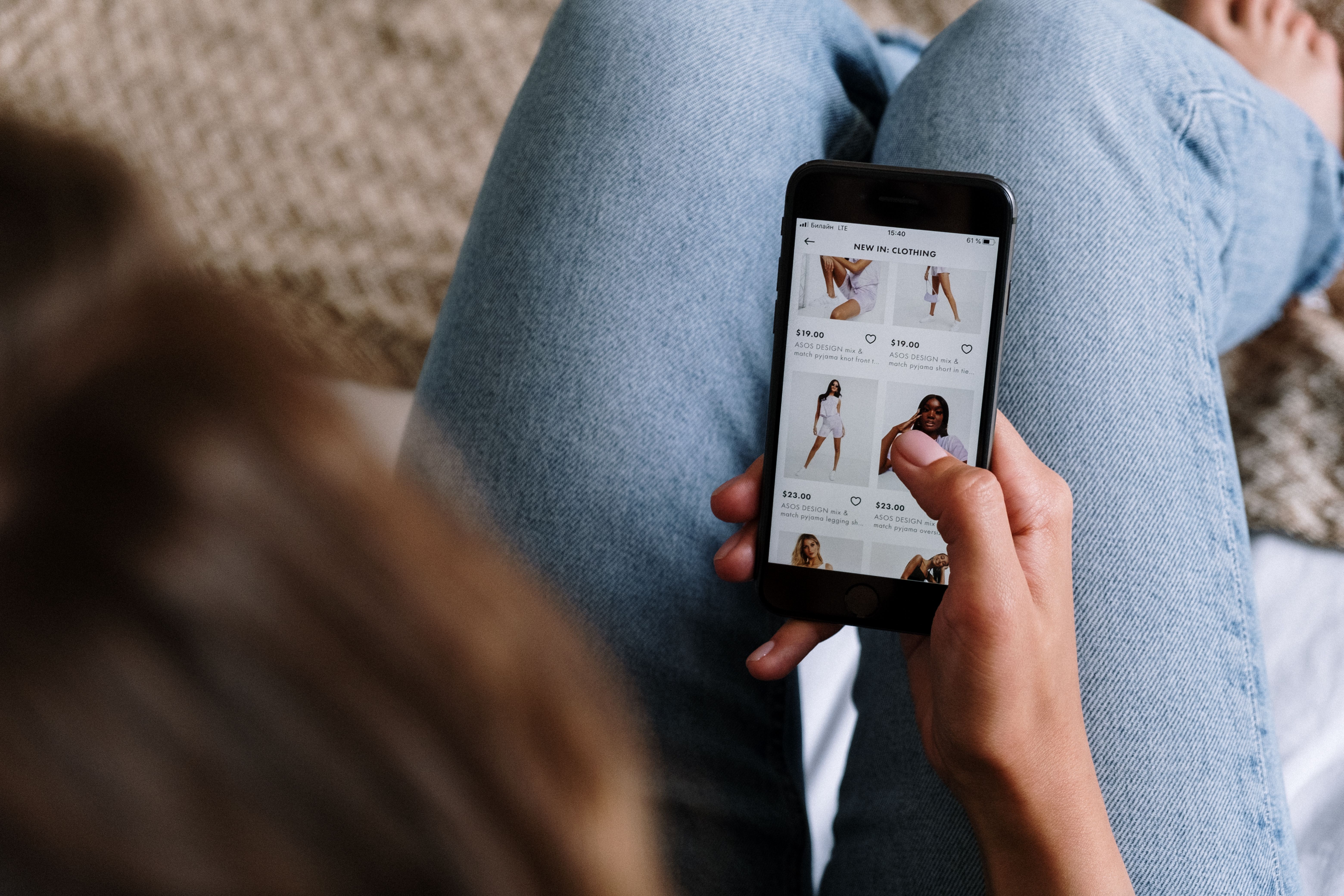
Well over half of ecommerce traffic shows up on a phone, so a store that looks sharp on a laptop and falls apart on an iPhone is blowing the first impression with most of the people walking through the door.
None of that comes down to design talent, honestly. It comes down to the platform underneath, and whether it lets you fix speed and layout yourself instead of waiting three weeks on a developer's calendar.
Why Shoppers Check With Strangers Before They Buy
Before buying from a store they've never heard of, shoppers do the same thing almost every single time: they go check what other people said first. That's social proof, and it might be the single strongest lever in ecommerce, and the kicker is it's basically free once you've earned it.
The logic isn't complicated. When people aren't sure what to do, they copy whoever already did it, especially when there's real money on the line. A store with a pile of recent, specific, slightly-messy reviews is saying: other people already took the risk, and it worked out. A store with zero reviews, or a suspicious wall of reviews that all sound like they were written by the same person, is saying something you really don't want said about your business.

What actually makes a review section believable comes down to three things. Enough reviews to show real traction, rather than just a few reviews from several months ago. Recent enough that it's obvious somebody's still running the lights. And honest enough that an occasional three-star complaint sneaks in, because an unbroken wall of five stars doesn't read as impressive, it reads as staged.
Stores that treat customer reviews as an ongoing habit crush the ones that set it up once and forget about it. Every time. And the gap only gets wider the longer you let it compound.
Making Reviews Actually Earn Their Keep
Getting reviews is the easy part, honestly. Making them actually improve your conversion rate is where most stores struggle.
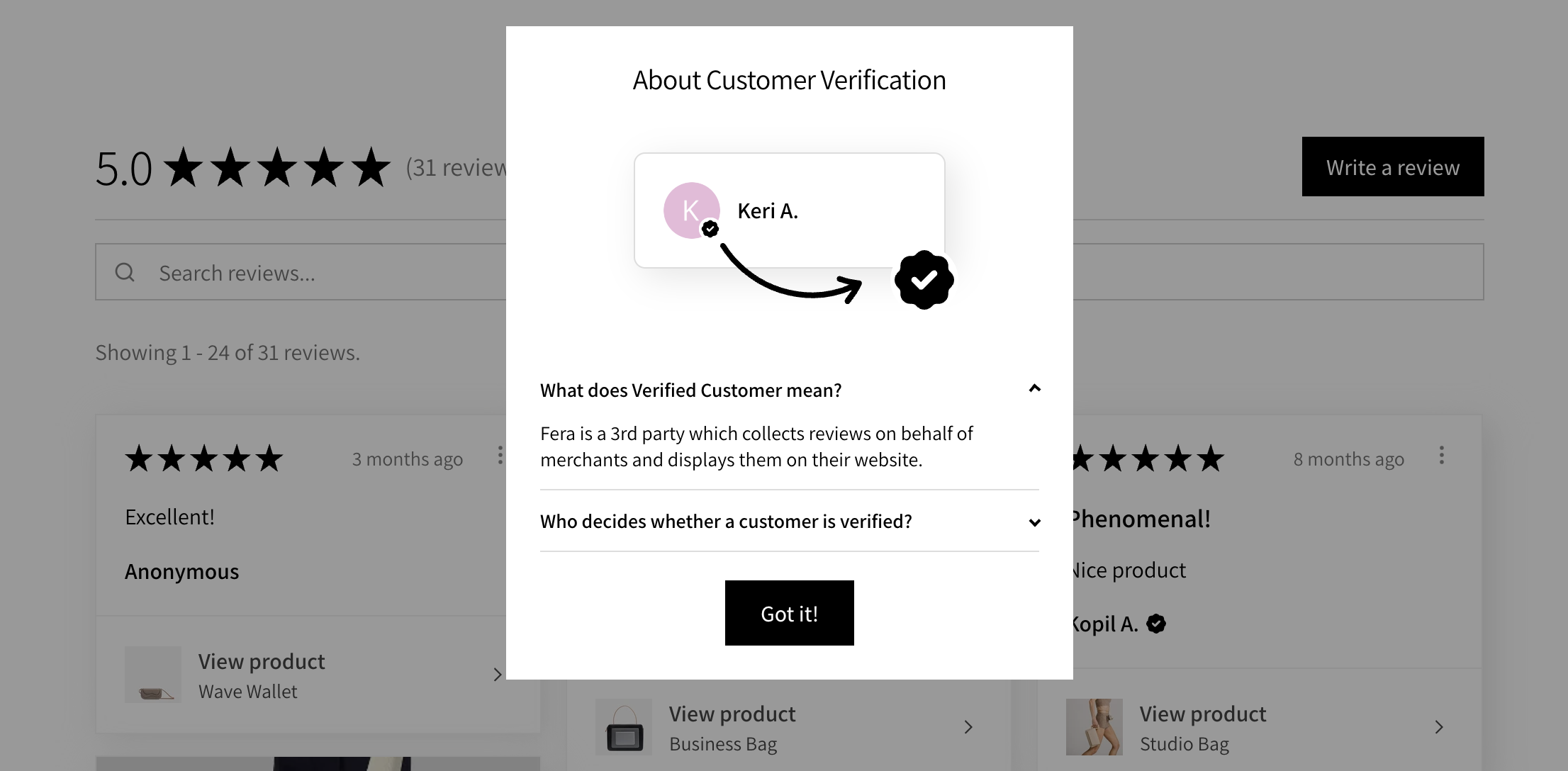
Star ratings get scanned first, so they'd better be visible without a scroll. But a pile of stars only gets you so far on its own. What actually moves people is a verified purchase badge, proof this is a real customer and not just someone with an opinion. Shoppers weigh those two very differently, and honestly, they're right to.
Photos and video shove it even further. A written review is fine, sure, but a real customer's photo, showing actual scale, actual color, actual wear after two weeks of use, kills doubts no product copy ever will. Fashion, beauty, home goods, anywhere “does it actually look like that” is the quiet question on everyone's mind, this matters even more.
And then there's the moment a review can be negative. A calm, specific reply to a complaint tells every future shopper exactly how this brand behaves when something breaks. Ignore it, or get snippy in the reply, and you've just answered that question anyway. Badly.
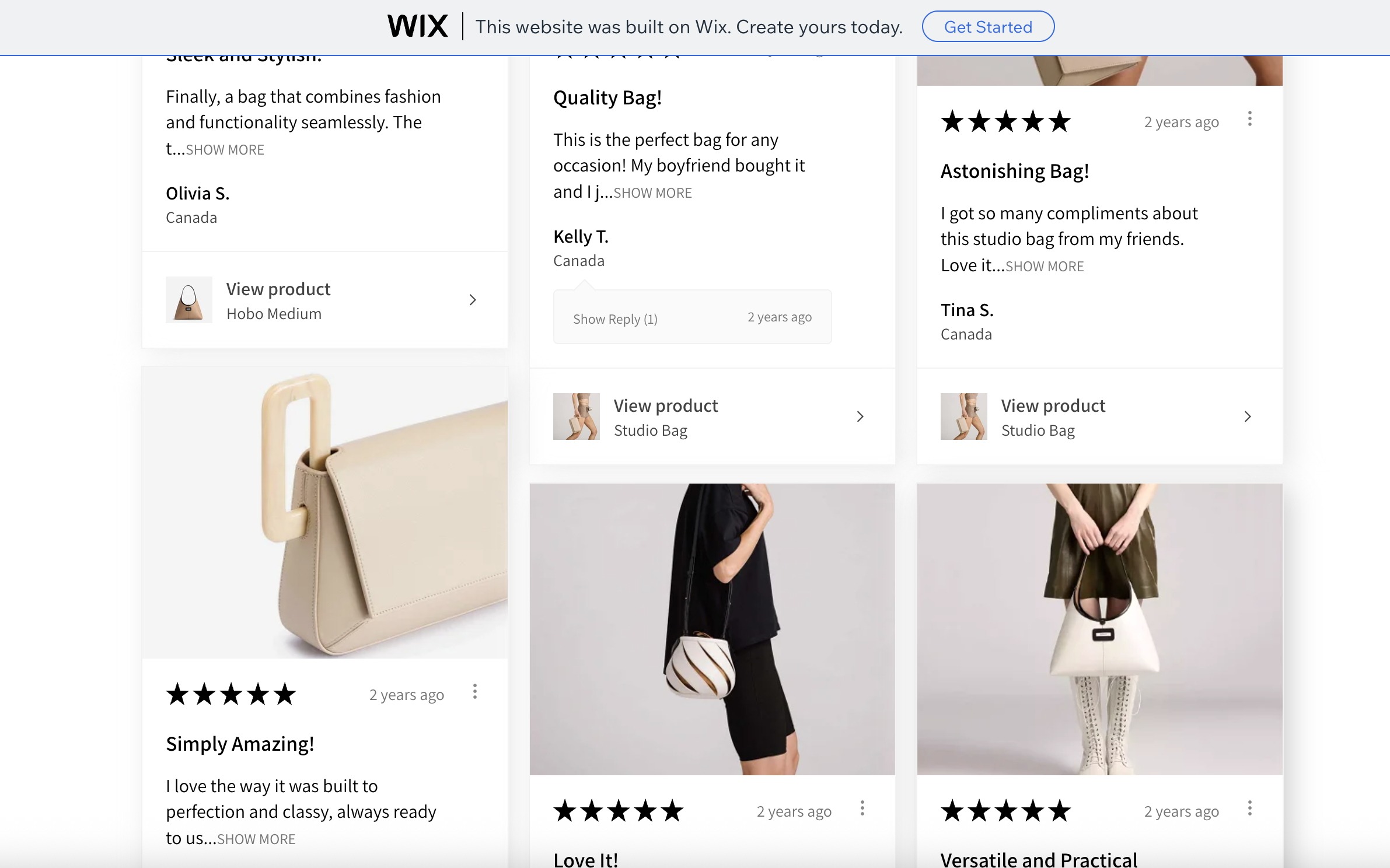
This is basically the whole idea behind Fera: turn review collection into an actual system instead of a box you check once and move on from. Submission previewers, searchable widgets, tracking where reviews come in from, SMS, email, wherever. Stack that on a platform like Wix, where something like that installs in minutes instead of eating a week of a developer's life, and suddenly it's a tool people keep running instead of one they set up and quietly abandon three months later.
Everything Else Trust-Related That Isn't a Review
Reviews are central to trust, but they don’t operate in isolation. A store that genuinely feels safe to buy from is stacking several things on top of each other in the background, most of which a shopper will never consciously notice.
Start with the return policy. Every shopper is silently wondering what happens if this doesn't fit, doesn't work, or shows up looking nothing like the photo. Answer that clearly, up front, and you've removed one of the top reasons carts get abandoned at the finish line. Bury it in a footer nobody clicks, and you've buried some revenue right along with it.
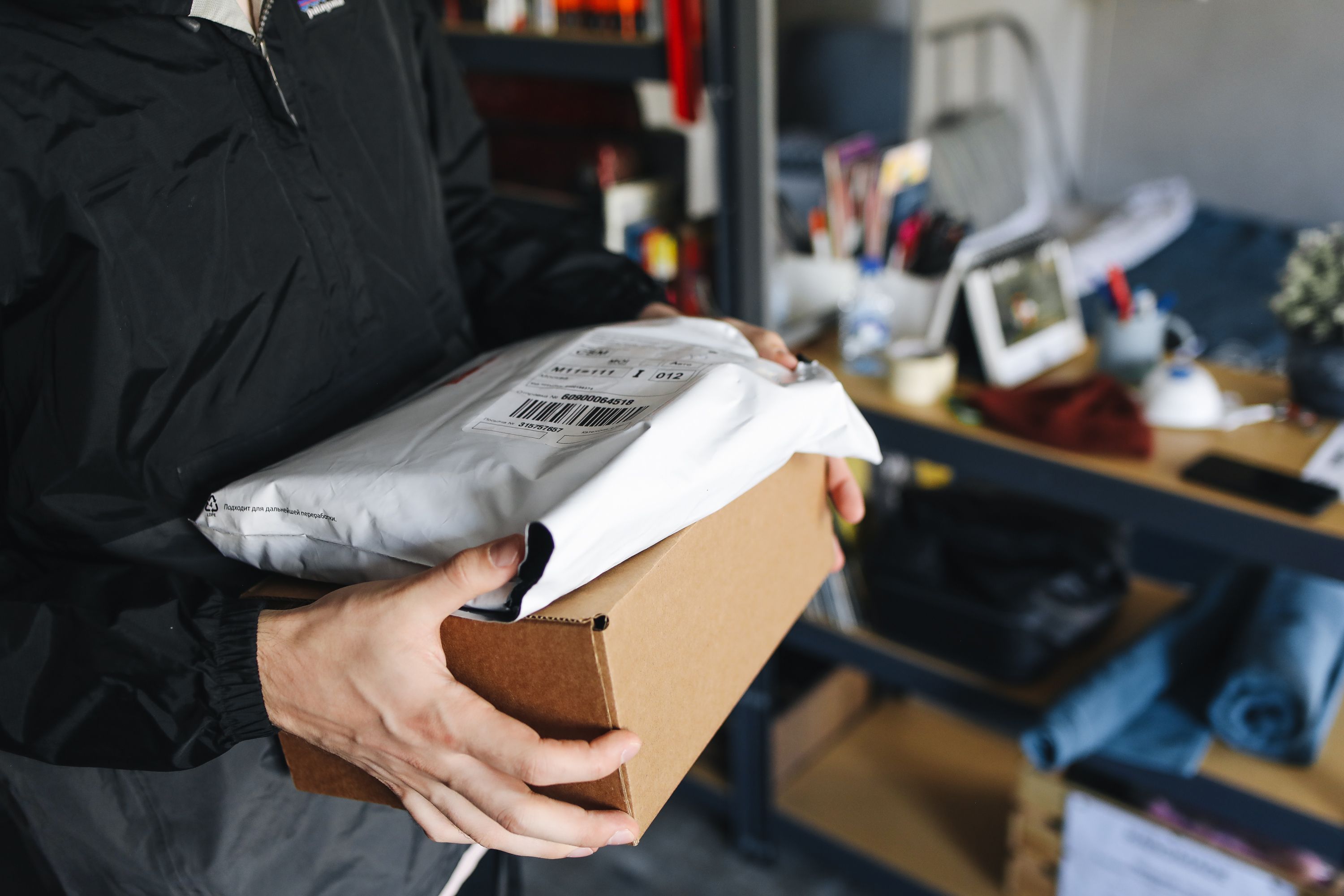
Contact info matters more than most owners give it credit for. A real email, a phone number, an actual address somewhere on the page, all of it says: there's an actual human behind this, not a storefront that ghosts you the second something goes sideways.
Checkout itself is a nervous moment for way more people than you'd think, even ones who've bought online a thousand times. Seeing PayPal, Apple Pay, a familiar card logo right as someone's typing in their number, that's not decoration. That's the exact second doubt tries to creep in, and familiar logos are what talk it back down.
Then there's the product page. Thin, vague copy leaves gaps, and shoppers fill gaps with doubt by default, never confidence. Materials, sizing, real use cases, the exact questions people always end up asking in the reviews anyway, answer those upfront and you've quietly closed the door on a dozen reasons to bounce.
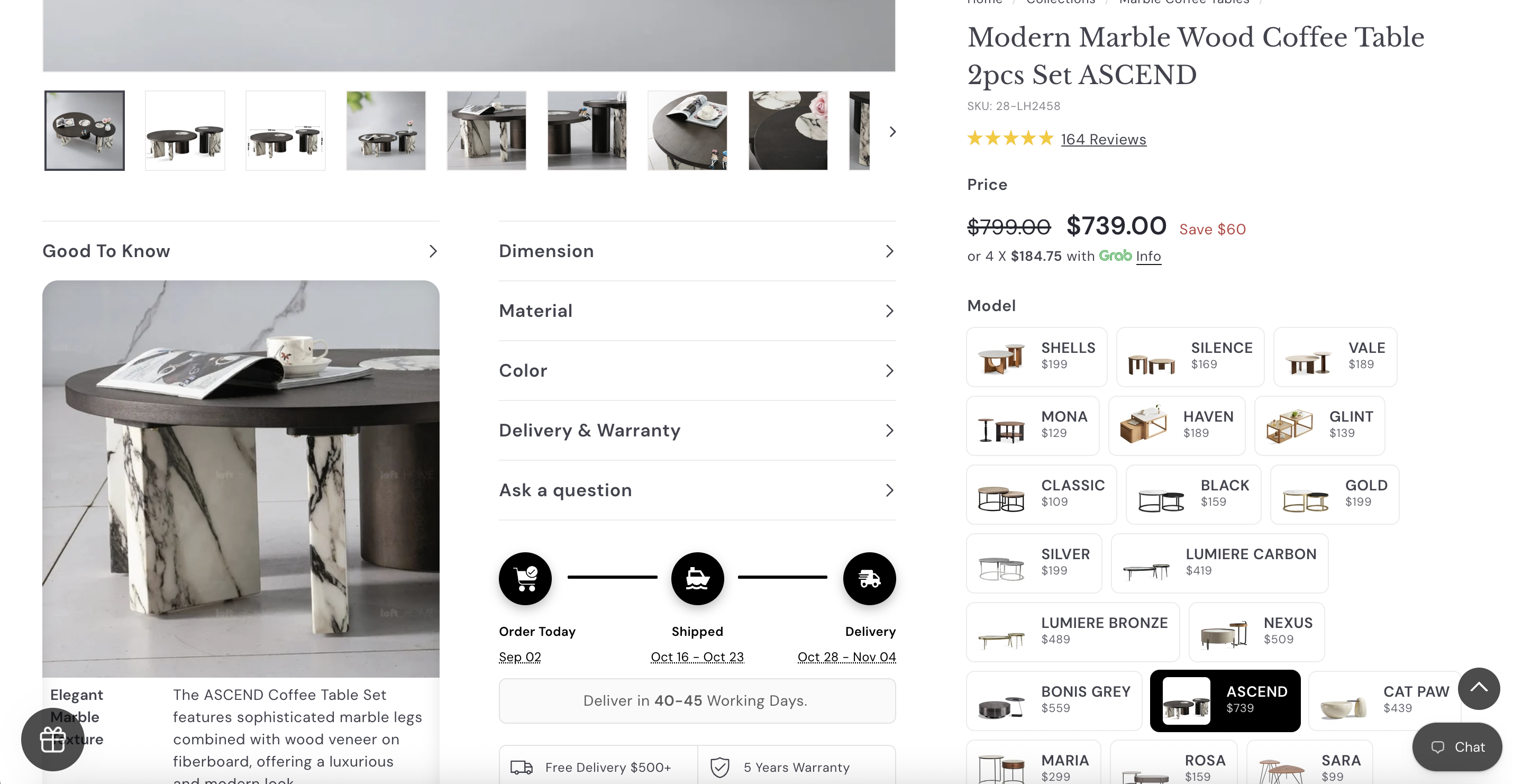
None of this needs an engineering team. The right Wix apps can get you most of the way there without a single line of code, checkout badges, urgency tools, analytics, the whole kit.
Consistency Builds Confidence Over Time
A first-time visitor makes a decision based on what they see in the moment. A repeat customer is reacting to everything that's happened since their last order. Both matter, obviously, but the second group, the ones who come back without a discount code dragging them back, is where the long-term value lives.
That kind of loyalty doesn't get built with one grand gesture.
- It's an order confirmation that lands the second someone checks out.
- A shipping update before they have to ask.
- A return that doesn't feel like a hostage negotiation.
A brand that feels consistent everywhere, from the emails you send to the product pages customers browse when deciding whether to buy.

None of these look like much on their own. Answering a question a little faster than you technically have to. Keeping inventory numbers actually accurate instead of "close enough." Checking in after an order shows up, just to ask if it's good. Small, unglamorous stuff. But it adds up, and eventually it turns into the kind of store people bring up unprompted to a friend.
The Store That Gets Trusted Gets the Sale
Trust determines traffic, conversions, and loyalty. It shapes every decision a shopper makes from the moment they arrive at a store to the moment they decide to buy, or leave. The stores that win consistently aren’t always the ones with the biggest budgets or the flashiest designs. They’re the ones that have understood what shoppers need to feel comfortable, and have deliberately built those signals into every part of the experience. The first impression is fast.
Social proof is powerful. Reviews, when collected and displayed well, convert. The full credibility stack, return policies, contact information, secure payment options, detailed copy, closes the gaps that reviews alone can’t cover. And consistency, sustained over time, turns one-time buyers into the kind of customers who recommend a store without being asked.
The encouraging part is that none of this requires a large team or a large budget. It requires attention, intention, and the right tools. Trust is entirely buildable — for any store, at any stage. The stores that start building it deliberately today are the ones that shoppers will choose tomorrow.